


Understanding the Psychology of Play
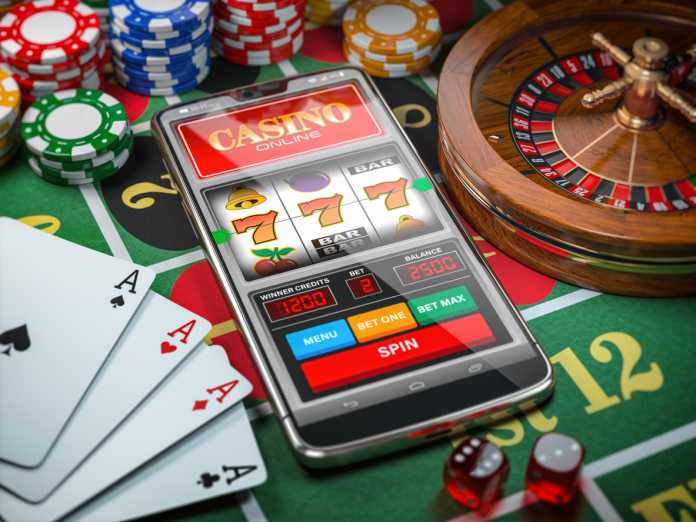
To grasp why people are drawn to casinos and online gambling platforms, one must look beneath the surface. The psychology of play runs deep, rooted in curiosity, risk-taking, and human reward perception. When someone spins a slot machine, the mixture of lights, sounds, and suspense speaks directly to the brain’s reward system. This pull toward anticipation is timeless, the same impulse found in early games of chance centuries ago.
Today’s online casinos, with their cleverly designed interfaces and instant access, amplify those same sensations. Whether you sign up for a new account, explore a modern platform like Plinko, or test your luck on themed slot games, the main attraction lies not only in the winnings but in the experience of uncertainty itself. That idea—of not knowing how things might turn out—offers excitement that feels both safe and wild. But that same excitement, if unchecked, can also lead players into risky patterns, making awareness essential.
Forming Healthy Gambling Habits
I once thought responsible gambling was just about setting limits. Then I realized, it’s also about understanding yourself. A casino, whether virtual or physical, offers an illusion of control. Spinning a wheel or choosing numbers lets the player feel that decision plays a role in the outcome. Realistically though, chance dominates these moments. The key to keeping it enjoyable lies in recognizing the line between entertainment and compulsion.
There’s no single rule that fits everyone, but many players use small rituals to steer clear of overspending. Some walk away after winning once; others only play with pre-allocated funds. What tends to work best are simple but intentional habits that keep gambling part of life—not life itself.
- Playing with specific time or spending limits.
- Treating bonuses and free spins as extra entertainment, not as investment opportunities.
- Taking occasional breaks to evaluate your sense of enjoyment.
Interestingly, many platforms integrate self-exclusion tools, deposit limitations, and reality checks, which pop up after set periods of gameplay. I think that’s a positive change, giving users some subtle nudges back to balance. A well-designed reminder box can make a difference; it gently interrupts over-immersion without breaking the fun.
The Role of Bonuses and Rewards


Bonuses can sometimes be a double-edged sword. They attract new players yet can blur the lines between play and potential profit. The excitement of “free money” or “bonus spins” can give a sense of invincibility for a short while. Many gamblers associate these offers with fresh opportunities rather than extended play times, which may affect how much they wager.
Casinos understand psychology very well. Reward systems are crafted to appeal to dopamine-driven behaviors. You get a small win? The brain lights up. You almost win? It lights up again. Even in a loss, anticipation fuels the same emotional pathways. This is why promotions often appear after near-wins or losses—they aim to sustain engagement.
Still, I don’t think bonuses are bad. When approached wisely, they can enhance gameplay variety and prolong enjoyment responsibly. The critical task for both users and casino operators is ensuring transparency. Clear terms, visible wagering requirements, and easy withdrawal options should always be prioritized. When a platform respects these principles, players tend to feel safer and more valued.
Recognizing Loss of Control
The hardest moment for any player often comes when excitement turns into pressure. Suddenly, the joy of playing feels more like a chase. And honestly, losing sight of balance can creep in quietly. Casinos try to establish systems to prevent that, but self-observation remains the most reliable safety net.
Some players notice it through subtle cues—playing longer than intended, chasing losses, or gambling while distracted. Others see it when winnings stop feeling exciting. It’s the tipping point at which play becomes an obligation. In that instant, the psychology of play transforms from curiosity to dependency.
- Watch for shifts in emotional tone while playing.
- Pause if wins start to feel more stressful than satisfying.
- Use built-in tools or set session reminders to reset perspective.
Recognizing when the game is no longer serving the player but rather the impulse is crucial. It’s not always easy, but reminding oneself that gambling’s primary purpose is entertainment can help restore balance faster than one might think.
Building a Culture of Responsibility

Casinos—especially online ones—now carry ethical obligations. Many platforms invest in educational programs, partner with mental health organizations, and introduce gamified reminders of responsible play. It’s an encouraging shift from profit-centered design to community-centered ethics. Even more so, it builds long-term trust.
Inside a responsible environment, communication matters as much as interface design. Clear explanations about odds, RTP (Return to Player), and payout percentages empower players with real knowledge. The freedom of choice comes from being informed, not enticed. I particularly respect those operators who send encouraging messages to players after periods of inactivity, inviting them back with transparency rather than manipulation.
Many think the conversation around “responsible play” is purely pragmatic. But I’d argue it also has moral value. When an industry so tied to risk takes the lead in protecting its audience, it legitimizes the activity. Responsible gambling doesn’t mean limiting pleasure, it means framing it within safety and respect for one’s limits. And for modern players accustomed to flexible playtimes, instant deposits, and diverse bonuses, having protection layers fosters greater confidence, not less freedom.
Conclusion
Understanding the psychology of play isn’t just about curiosity—it’s an essential part of sustainable enjoyment. Online casinos thrive because they deliver excitement. Players thrive when they enjoy that excitement responsibly. Balancing both perspectives creates longevity, whether it’s in thrilling slot sessions, testing game strategies, or exploring colorful virtual lobbies.
Ultimately, gambling should feel like what it originally was meant to be: play. When players view it as entertainment rather than escape, the magic of chance remains beautiful instead of burdensome. The real victory is not the jackpot, but the feeling of control, awareness, and enjoyment that accompanies responsible play.